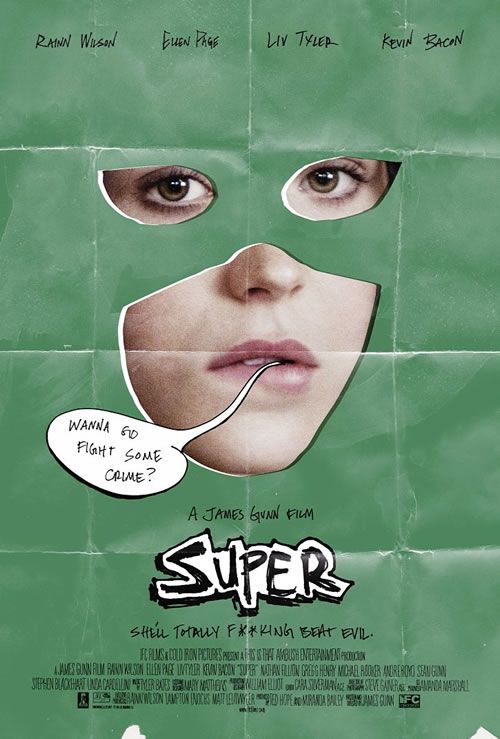
Colours are often used in designs to describe the feelings & emotions that the creator / business wants to tell its viewers or to invoke a certain emotional response. Colours are paramount to any design as it is often the first thing that people notice, a bad colour choice can be inappropriate & send the wrong impression / emotion to its viewers, it could also result in lower viewerships or sales volume. When used well, colours can bring its viewers attention to the main message the design is trying to relay immediately.
Below is a non – exhaustible list of common colours, their connotations & meanings. Hopefully you can use them wisely & appropriately to bring about great design!
Common Associations
Language
Trust
- Blue – 34% (Blue can also mean Sadness & Depression)
- White – 21%
- Green – 11%
- Yellow – 7%
- Brown & Black – 4%
Security
- Blue 28%
- Black 16%
- Green 12%
- White – 10%
- Red – 9%
- Brown – 8%
- Grey – 7%
Speed
- Red – 76% (Red can also represent Intensity, Rage, Rapacity & Fierceness)
- Yellow – 7%
- Orange, Black & White – 4%
Personality
Courage & bravery
- Purple – 29% (Purple has connotations of Dignity)
- Red -28%
- Blue – 22%
- White – 8%
Fun
- Orange – 28%
- Yellow – 26%
- Purple – 17%
- Red – 16%
Fear & Terror
- Red – 41%
- Black – 38%
Favourite Colour
In General
- Blue – 42%
- Purple & Green – 14%
- Red – 8%
- Black – 7%
Females
- Blue – 35%
- Purple – 23%
- Green – 14%
- Red – 9%
Males
- Blue – 57%
- Green – 14%
- Black – 9%
- Red – 7%
Objects
Cheap or Expensive
- Orange – 26%
- Yellow – 22%
- Brown – 13%
- White & Red – 9%
- Grey – 8%
High Quality
- Black – 43% (Black can also mean Darkness, Night, Mourning, Funerals & Depression)
- Blue – 20%
- White & Grey – 9%
Least Favourite Colour
- Orange – 30%
- Brown – 23%
- Yellow & Purple – 13%
- Grey – 12%
High tech
- Black – 26%
- Blue & Grey – 23%
- White – 9%
Reliability & Dependability
- Blue – 43%
- Black – 24%
- White – 8%
Least Favourite Colour
In General
- Orange – 30%
- Brown – 23%
- Yellow & Purple – 13%
- Grey – 12%
Females
- Orange – 33%
- Brown – 20%
- Grey – 17%
- Yellow – 13%
- Purple – 8 %
Males
- Brown – 27%
- Orange & Purple – 22%
- Yellow – 13%
Primary Colours
Red
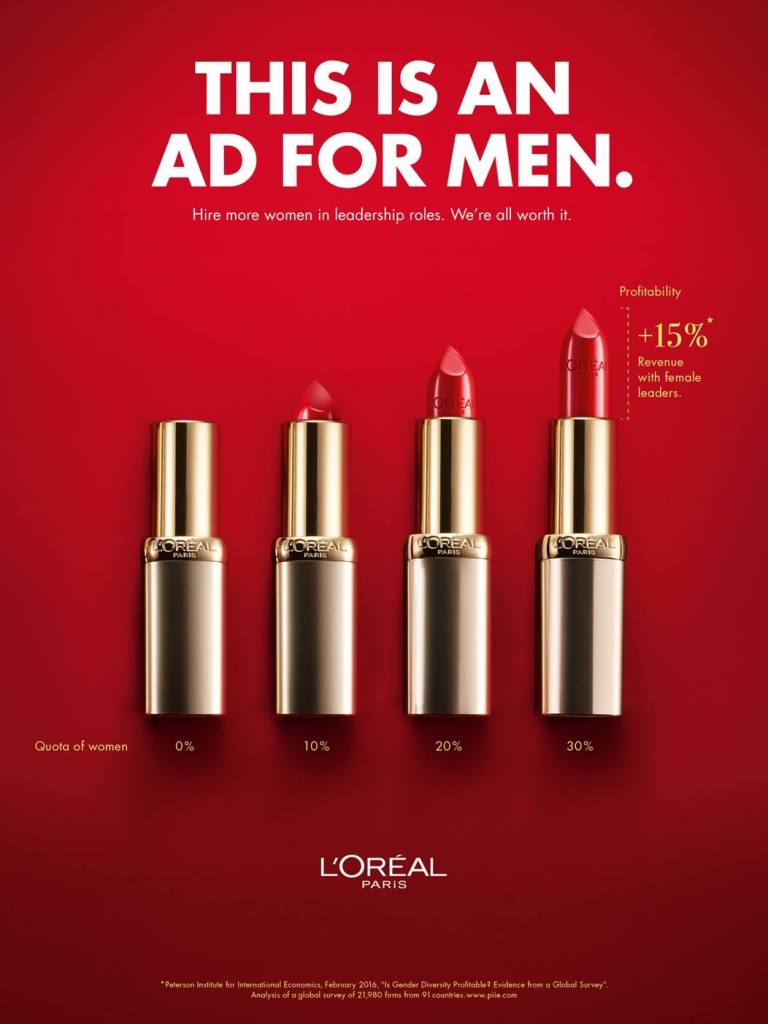
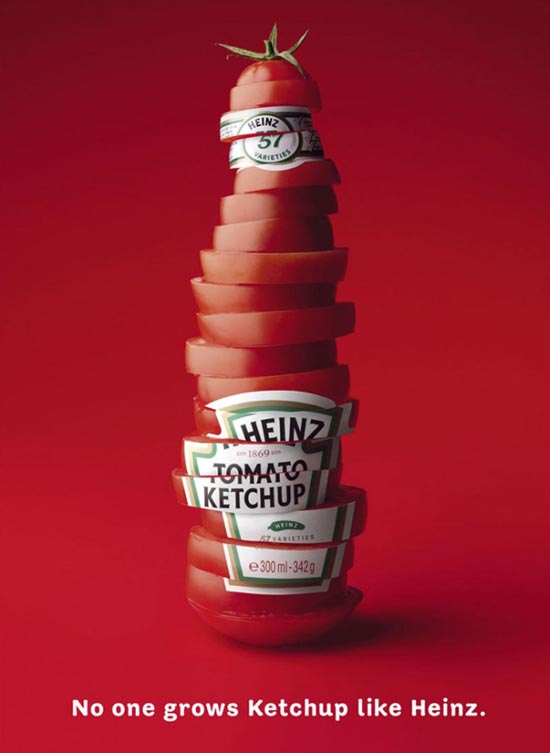


The colour red is often associated with ‘Fire’,’Blood’ &/or ‘Sex’. It is the most visually dominant colour in the colour wheel. It can suggest speed & action whilst stimulating the heart to beat at a faster heart rate, inducing heavier breathing and an increase in appetite. People who wear red clothes are said to look heavier. Thieves tend to steal red tinted cars more often as well.
Some positive canotations that reflect the colour red include: Passion, Love, Energy, Enthusiasm, Excitement, Heat & Power. However the colour Red is also indicative of: Aggression, Anger, Battles, Revolution, Cruelty & Immorality.
Yellow
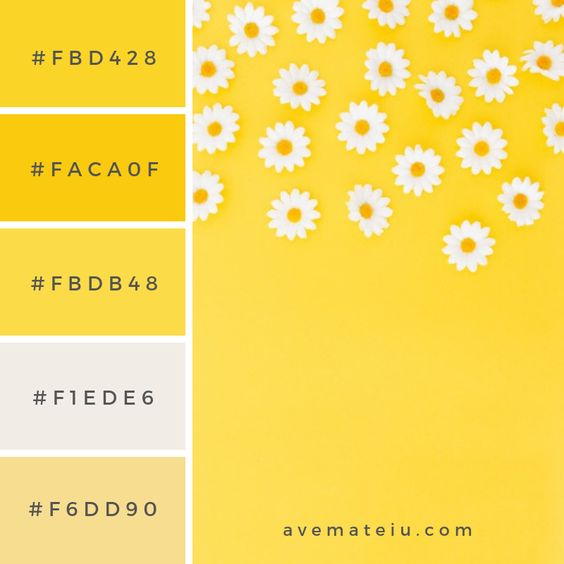

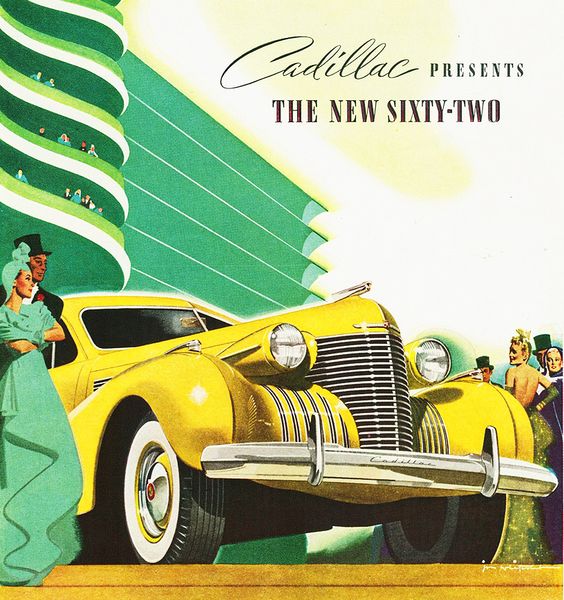
Yellow is the colour of intellect, wisdom, optimism, of bright radiance, joy & happiness and of idealism. But it can also represent jealousy, the colour of cowards, deceit and caution in life. It is the first colour that the human eye will notice in the colour spectrum. Yellow is brighter than white. It is also said to speed up metabolism. However bright yellow can fatigue some people or they can also irritate the eyes of others. Pale yellow on the other hand can in fact enhance concentration.
Yellow can represent a myriad of meanings in cultures across the world.
Budhist – Priests often wear saffron yellow robes
In Egypt & Burma – It is the colour of mourning.
India – The are symbols of the Merchant & the Farmer castes
Hindu – Represents the Celebration of the Festival of Spring
Japan – It represents Courage
Blue
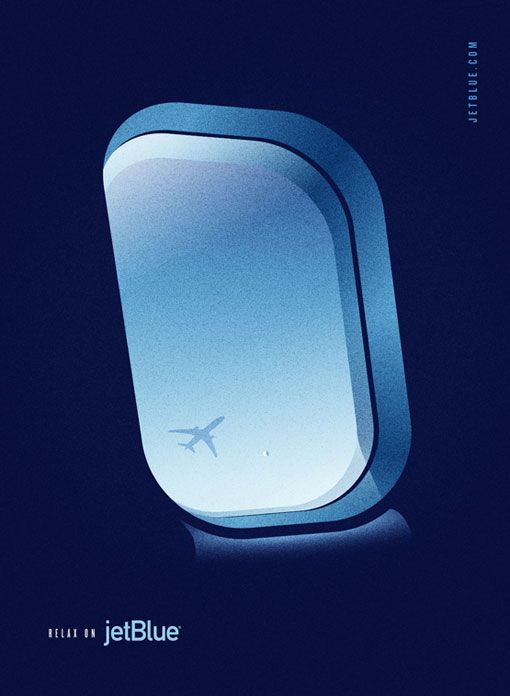
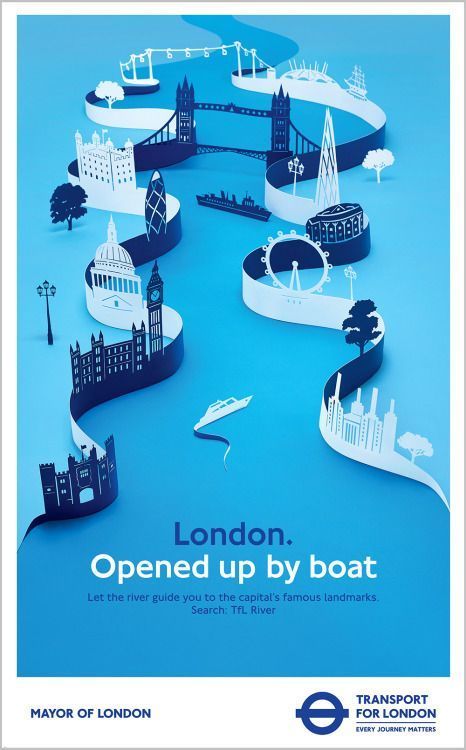
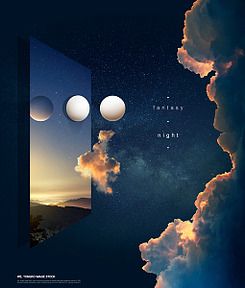
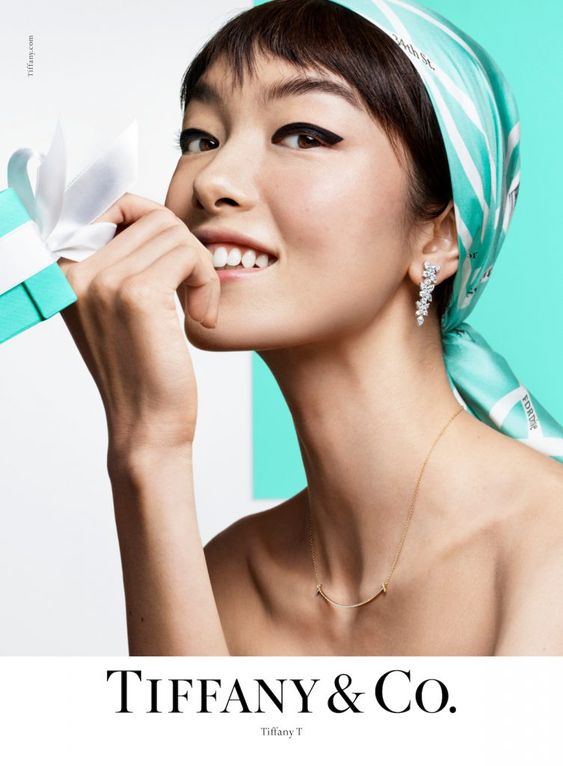
Blue food is rare in nature. It is also unappetitizing to animals & humans alike. It is said to surpress hunger pangs & can even induce the body to produce calming chemicals that help to relax the body. Surveys have shown that people tend to be more productive in blue painted rooms. Blue is the colour of the sea & sky. It can representknowledge, coolness, peace, the colour of masculinity, contemplation, loyalty, justice & intelligence. However it can also represent signs of depression, coldness to others, detachment and a sense of apathy.
Culturally, Blue can mean masculinity across most of the world.
China – The colour for little girls
Iran – The colour of mourning
Western Bridal Tradition – Love
Worldwide – Popular corporate colour
Secondary Colours
Green
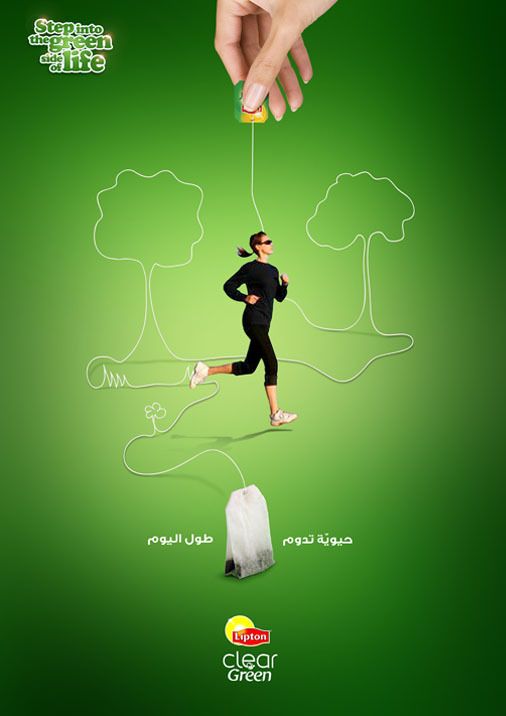
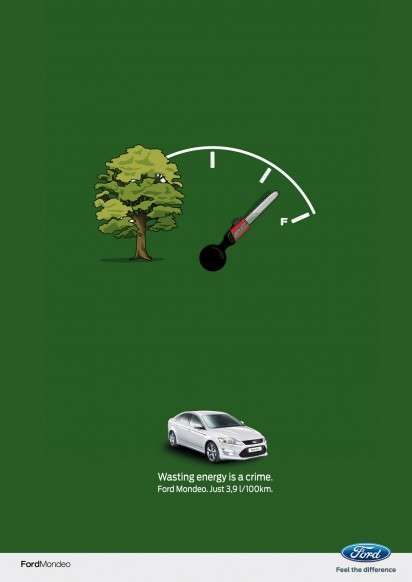
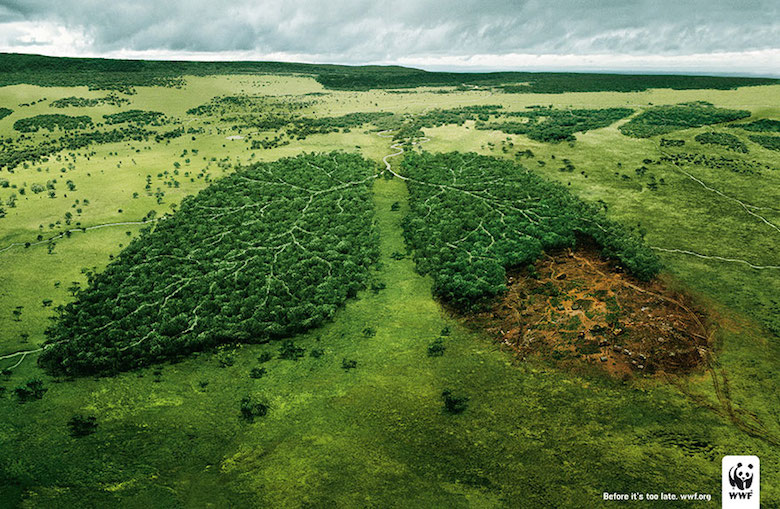
Green is the easiest colour on the eyes. It is Calming & refreshing, its frequently used in hospitals to relax patients. Green means go or that everything is in order. Green is said to aid digestion & can reduce stomachaches. It is usually associated with Plants, all things Natural & the Environment.
Some positive canotations of green include:
Fertility, money, growth, healing, success, nature, harmony, honestly, youth.
However on the contrary, it can also represent:
Greed, envy, nausea, poison, corrosion, inexperience.
In Islam – It represents Paradise, very symbolic of Islam.
Ireland – Green is a colour that is strongly associated with this country
Celtic Cultures – the Green Man is a symbol of fertility
Native American – commonly linked to the will & Man’s volition.
Purple
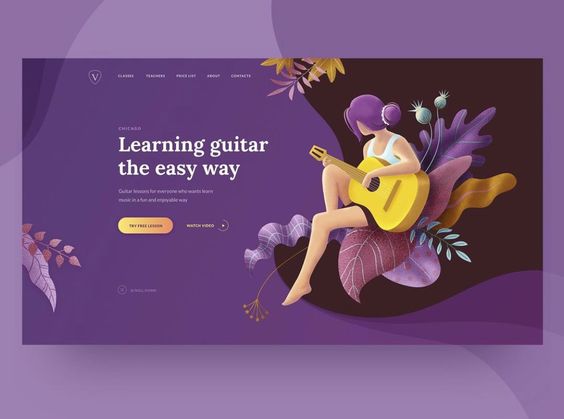
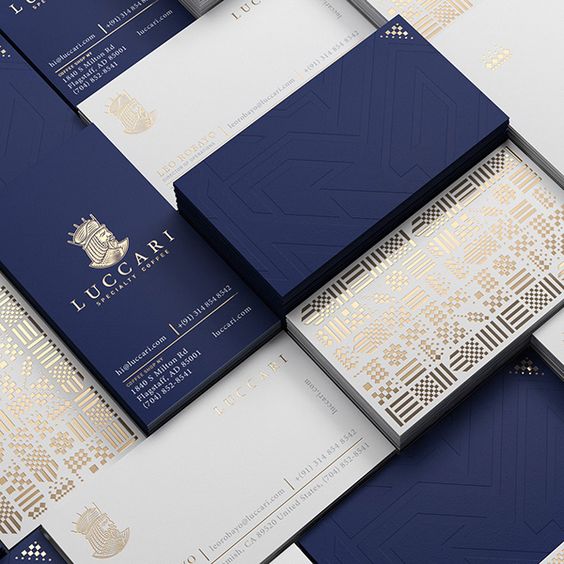
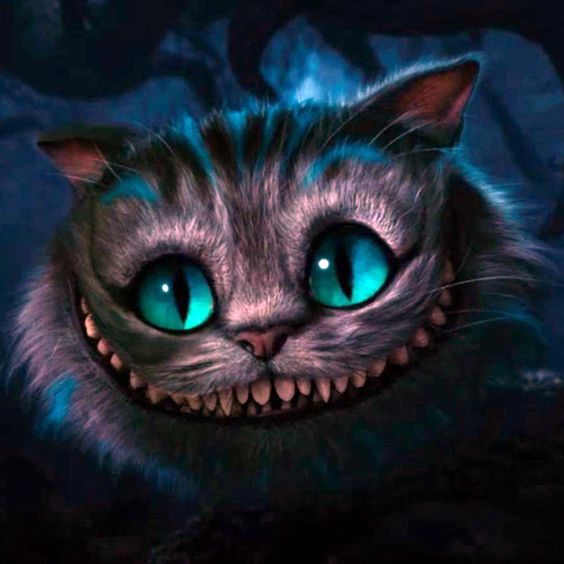
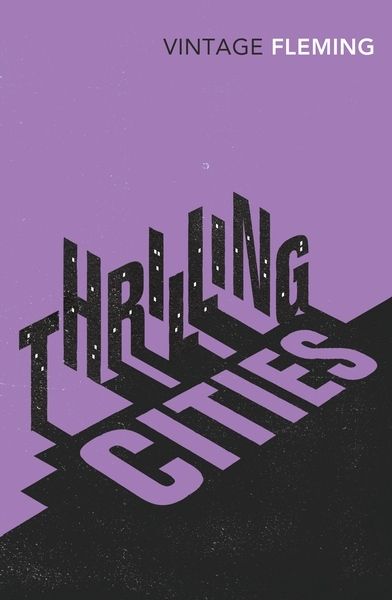
Purple is widely used for royalty & spirituality in ancient times, mostly due to the fact that purple dye was more expensive to make & typically only the wealthy could afford it. It has a feminine & romantic quality to it, sometimes representing the male homosexuality. It is rare in nature, thus making purple seem artificial. Purple is said to enhance imagination, oftentimes used for decorating children’s rooms. It can be used to represent luxury, wisdom, imagination, sophistication, rank, inspiration, wealth, the things or people of nobility & also mysticism. On the other hand, purple also represents exaggeration, used for excess. Sometimes even showing madness or cruelty.
Culturally, there are different associations with the colour purple:
Latin America – it indicates death
Thailand – a colour of mourning
Japan – it represents ceremony, enlightenment & even arrogance
Orange
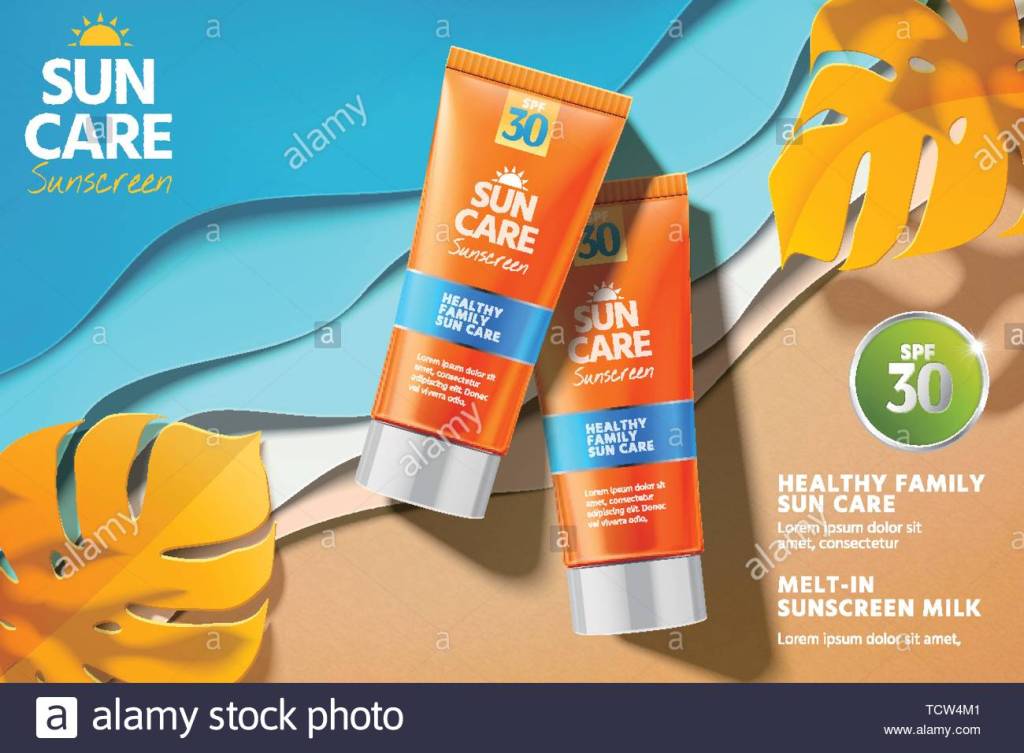
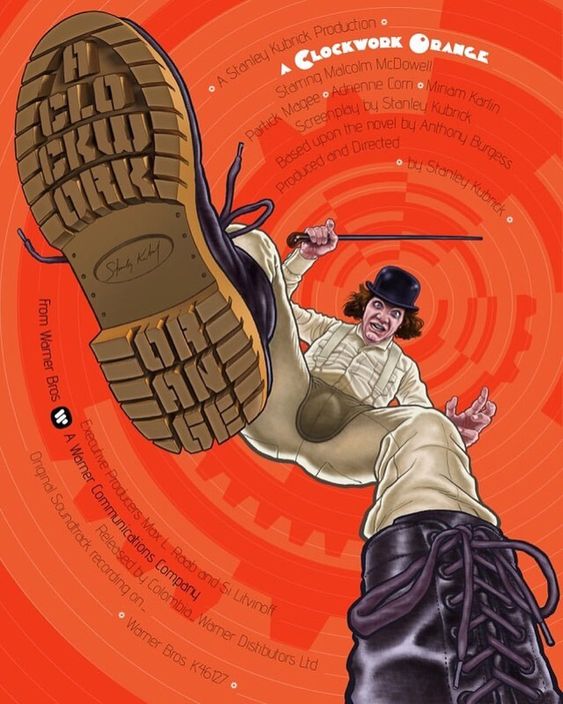
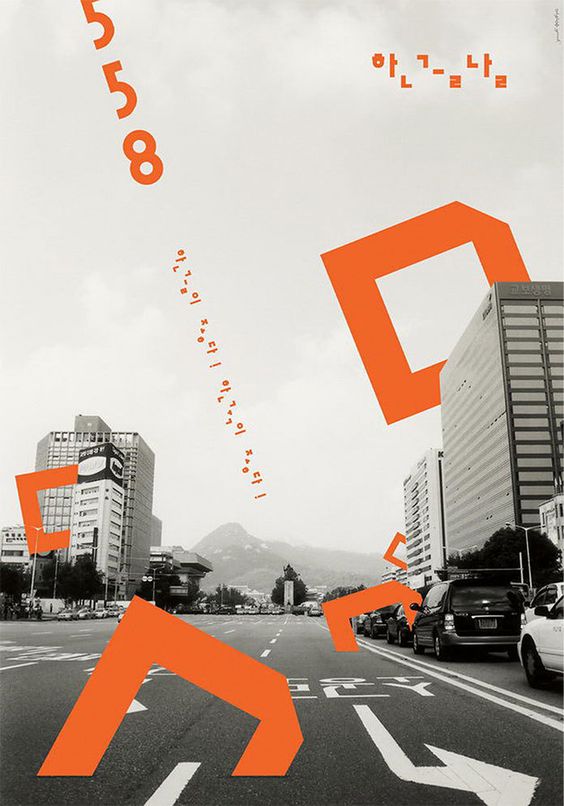
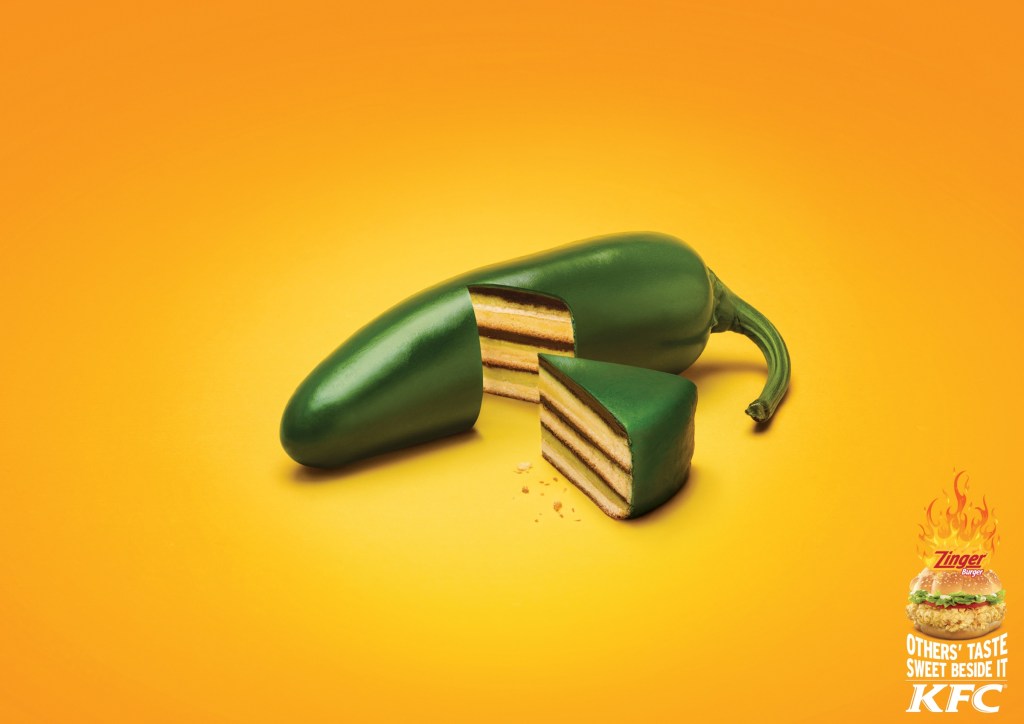
The colour often associated with autumn & citrus. Orange is said to be an appetite stimulant & people in orange coloured rooms often think and speak more with each other. It is also the colour of friendliness & fun. It is often used or worn by hunters & highway workers alike for better visibility enhancement during their work.
Orange can represent creativity, invigoration, uniqueness, energy, vibrancy, helps to stimulate the mind, for sociability, health representation, for the whimsical & as well as activity or movement. However it can also represent crassness, trendiness & loudness.
Neutral Colours
Black
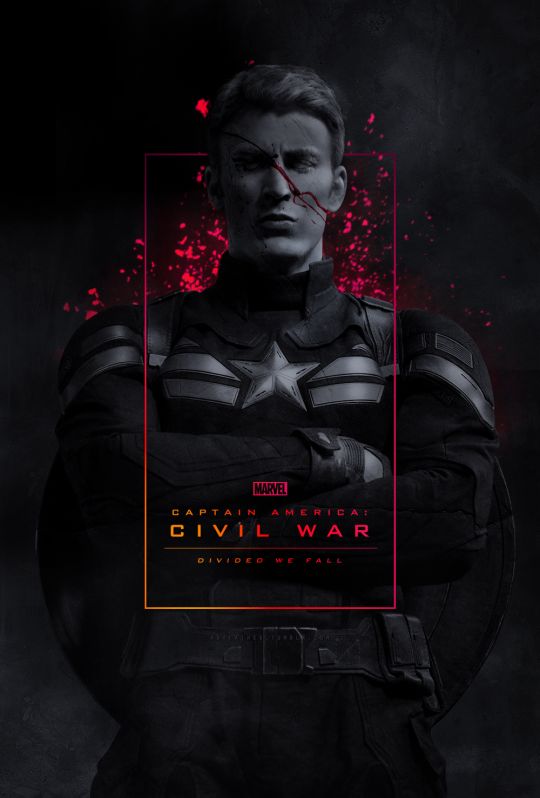
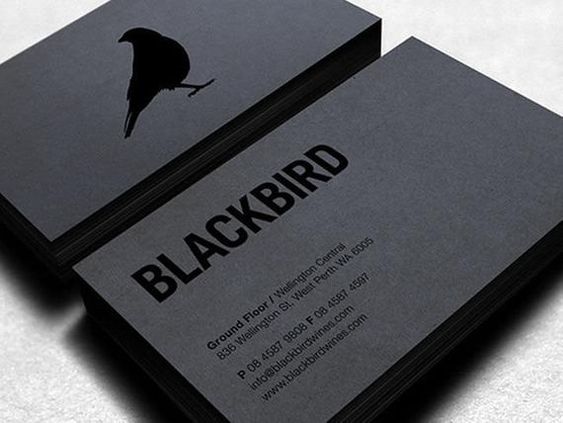
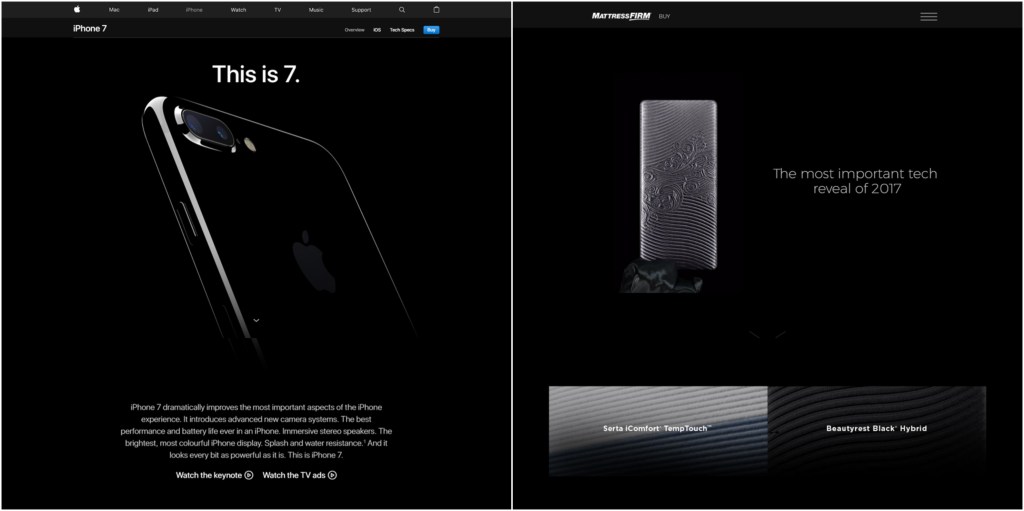

The colour that is often associated with night & death. Wearing black colours can make people look thinner. Black humour is morbid. Black often times can make other colours surrounding it look brighter. Black is said to boost self-confidence & strength. It is also often associated with secret societies.
Some positive canotations of the colour black include:
power, authority, weight, sophistication, elegance, formality, seriousness, dignity, solitude, mystery & stylishness.
On the contrary, it can also represent fear, negativity, evil, secrecy, submission, mourning, weariness, remorse & emptiness.
In cultures worldwide, it typically denotes dark-skinned people of Sub-Saharan African ancestry.
China – it is the colour for little boys
Asia in general – associated with career, knowledge, mourning, penance
American, European & Japanese youth – it is the colour of rebellion
White
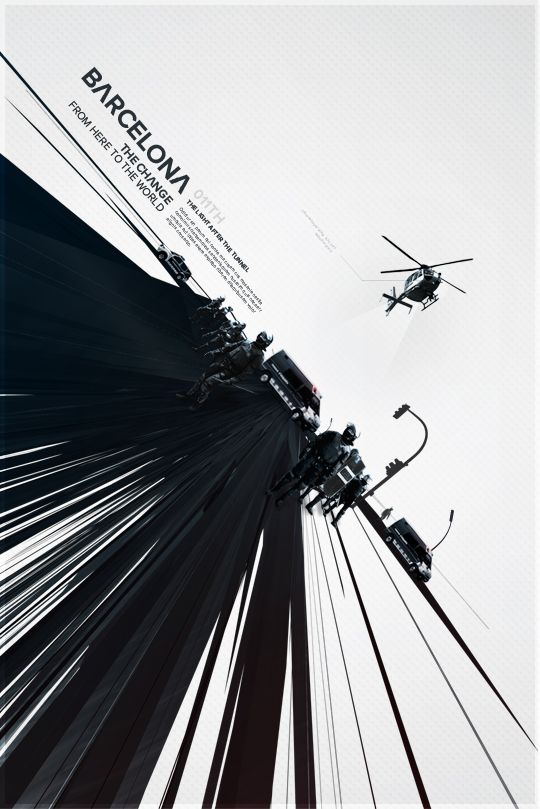
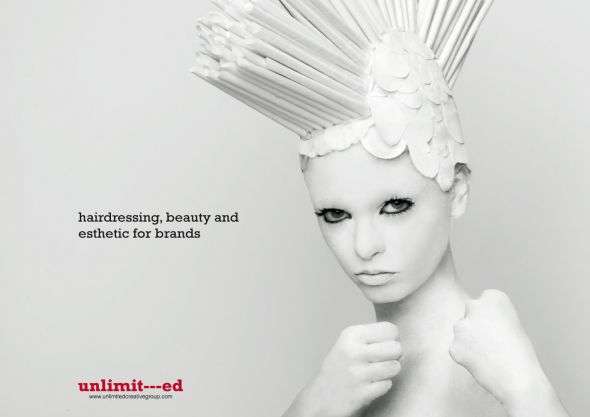
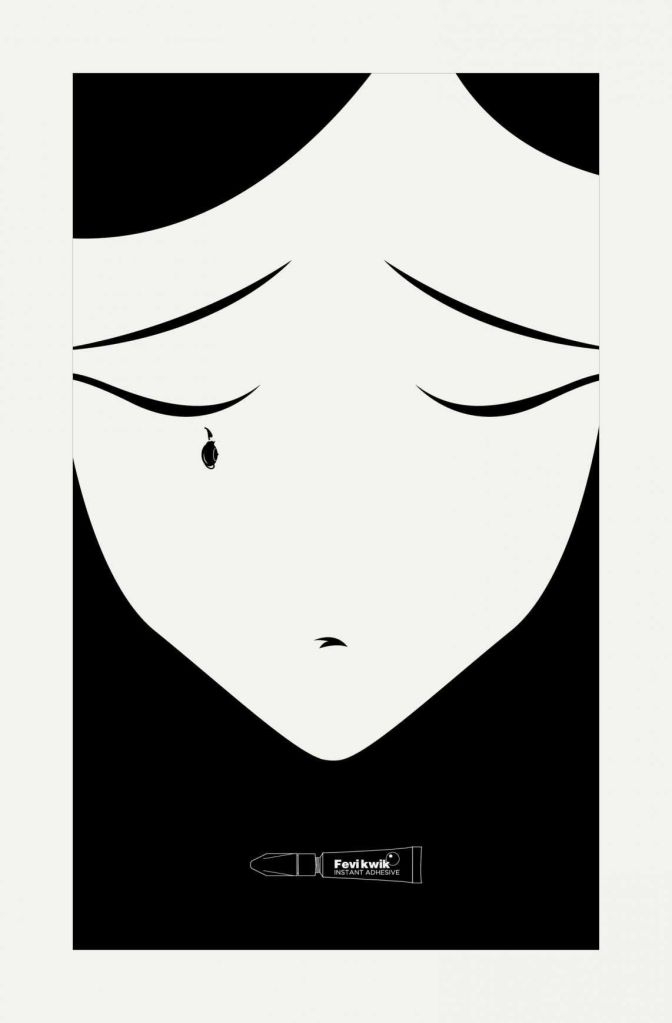
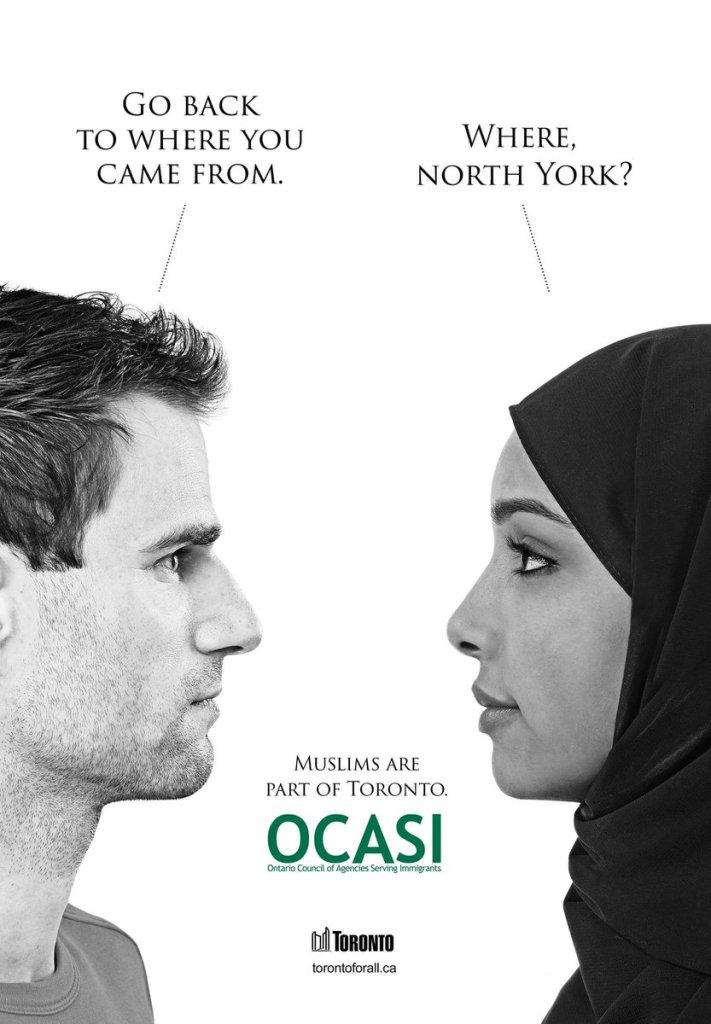
Wearing white is commonly considered as good luck when getting married. It is the perfectly balanced colour. However it is known to give headaches as it is too brilliant just as white light can be too blinding. It is often associated with the Angles, gods, light & purity.
It represents some good things like:
perfection, marriage or a wedding, cleanliness, virtue, innocense, lightness, sacredness, softness, simplicity & the truth.
Other wise it can also represent bad things like fragility & isolation.
Across the world, it is the universal symbol for a truce during conflicts.
Japan & China – it is a funeral colour
North America & Europe – denotes the light-skinned people of caucasian ancestry
India – It is often seen that married women who wear white are inviting unhappiness
Grey

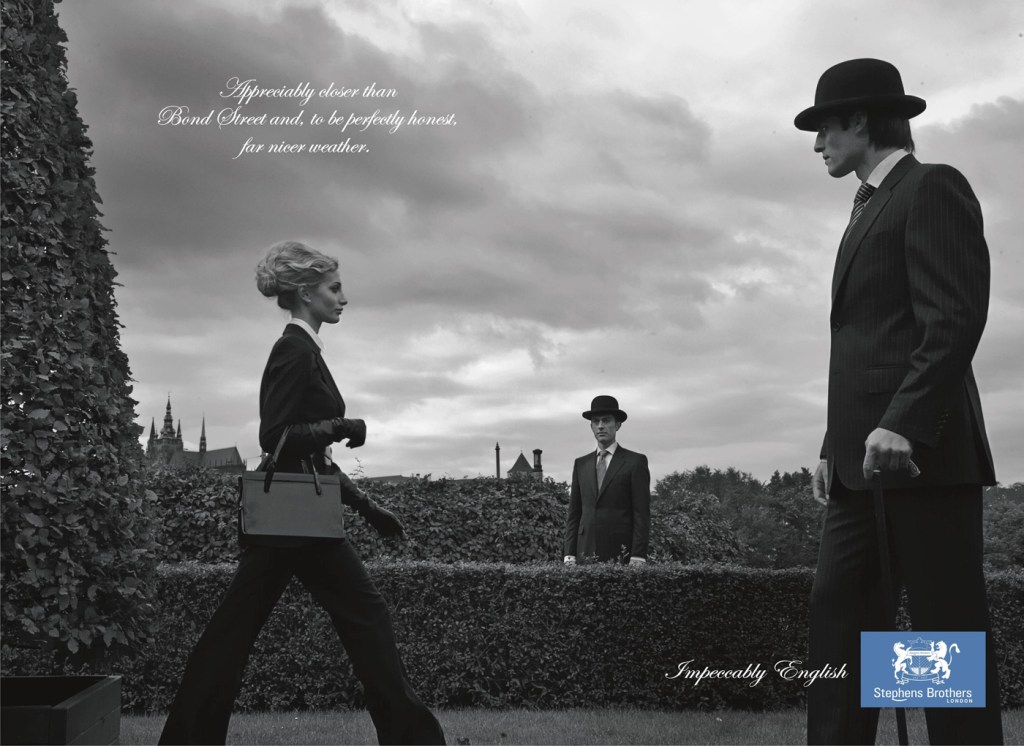

Grey is a rather neutral colour, as it seldom evokes strong emotions, it is the balance of Black & White. Grey is its own complement.
Some good things grey can represent are:
Balance, security, reliability, modesty, classicism, maturity, intelligence & wisdom
However it can also represent:
A lack of commitment, uncertainty, moddiness, cloudiness, old age, boredom, indecision, bad weather & sadness.
Across cultures worldwide, it is often associated with silver & money.
Native American – associated with honour & friendship
Asian – it can mean helpful people as well as travel
America – represents the industry in contrast with environmentalism
Ending Notes
To sum it off, colour is important as it can mean a variety of things (positive & negative), using them appropriately with the right combinations, tones, shades & saturation is also another science. These are the basics of colour & getting the colour meanings right is a great step to achieving the right message being sent across with the design you have painstakingly created. Do look out for a future article on colour combinations / matching colours appropriately for the intended brand & message. Stay tuned!
 Finance & Design
Leave a comment