
Line
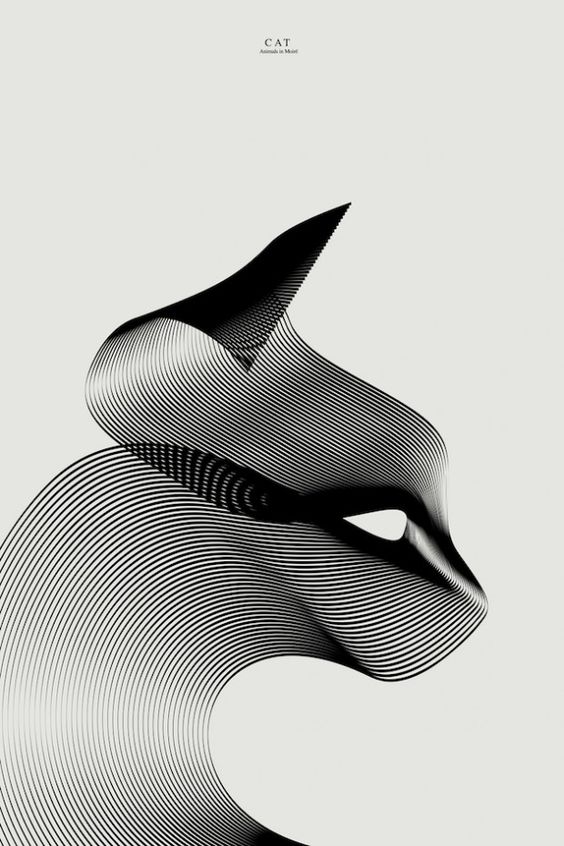
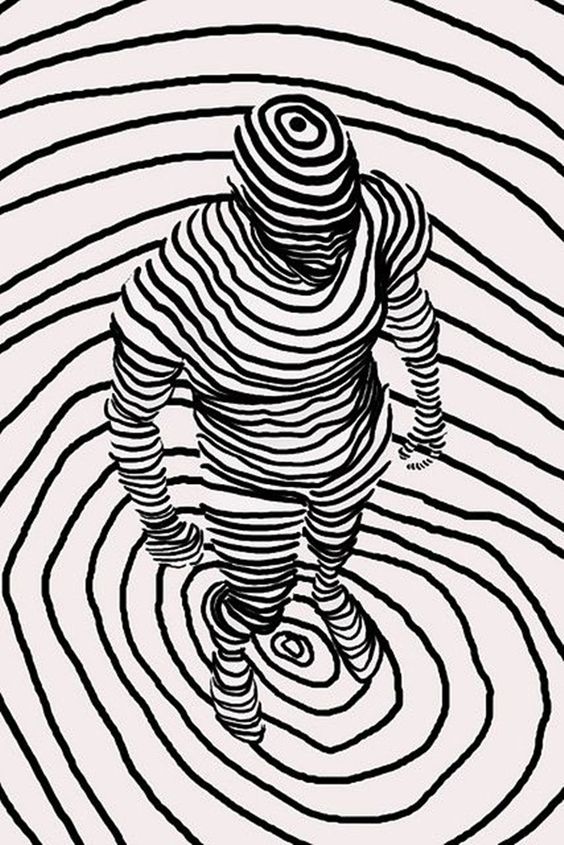
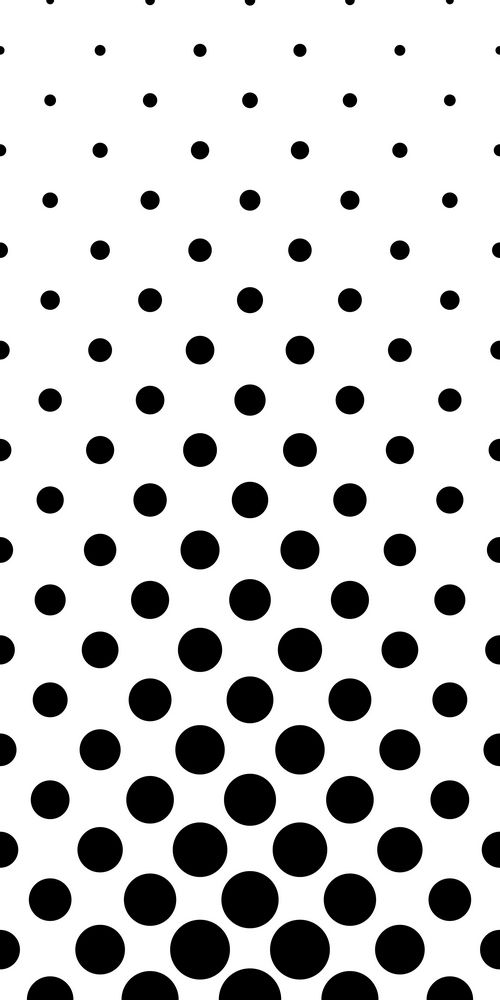
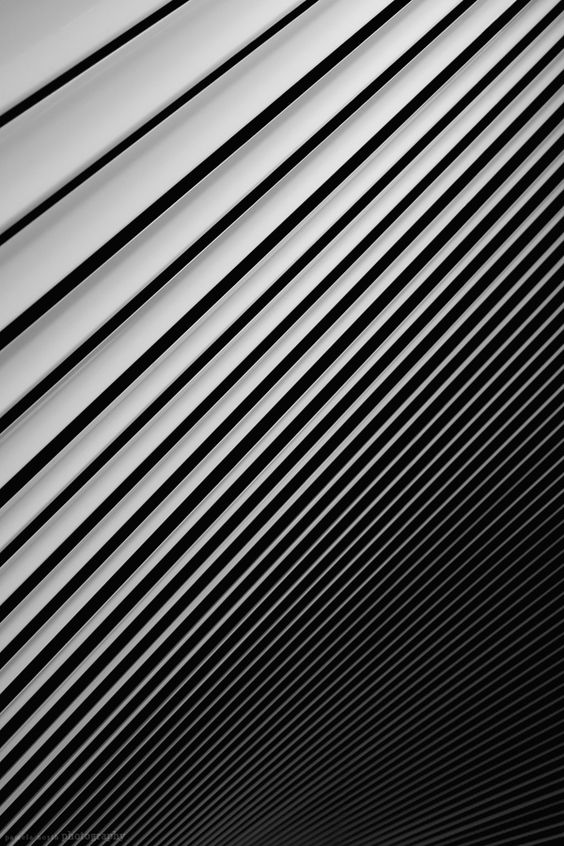
The most basic element is a line where it is made by connecting at least two points in a space. Different types of lines have different meanings and usages. Some examples include Dotted Lines, Jagged Lines, Spaced Out Lines, Thick and Thin Lines.
We will explore these examples of lines and the meanings held behind them. A crucial use of line can be to separate information as well as to show distinct differences in these lines.
Colour

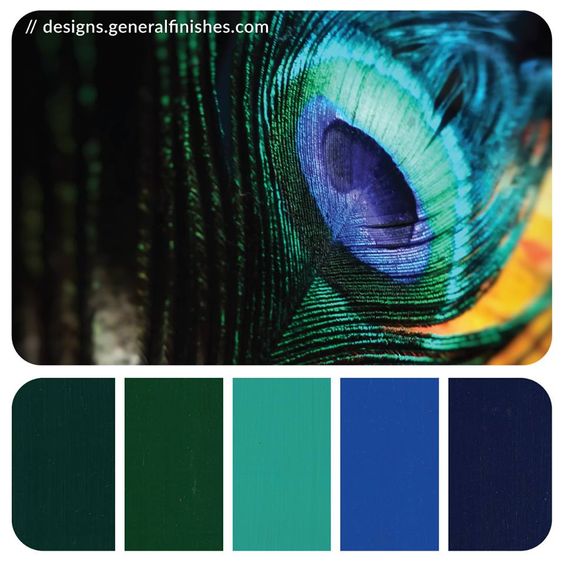
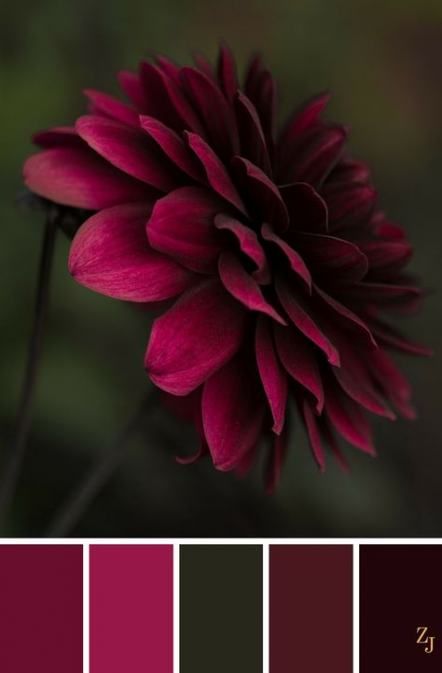
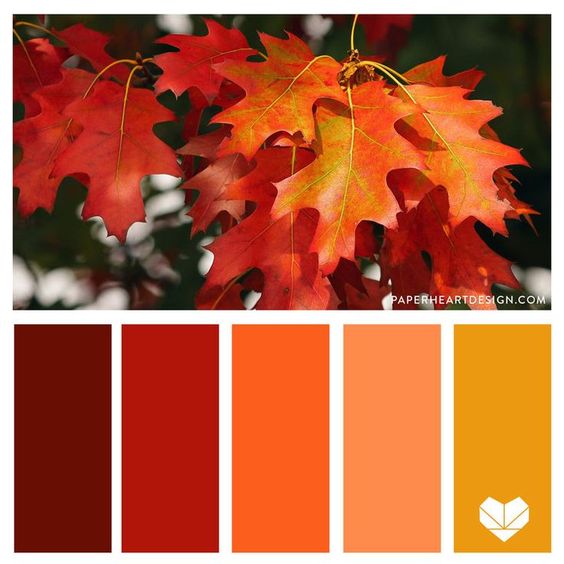
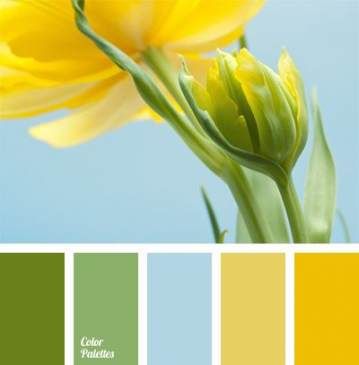
Colour involves emotions the most vividly, humans are visual creatures, we immediately are drawn to colour that provides the mood to which we base our feelings of the overall product. Different combinations of colour can bring about new moods too.
Shape
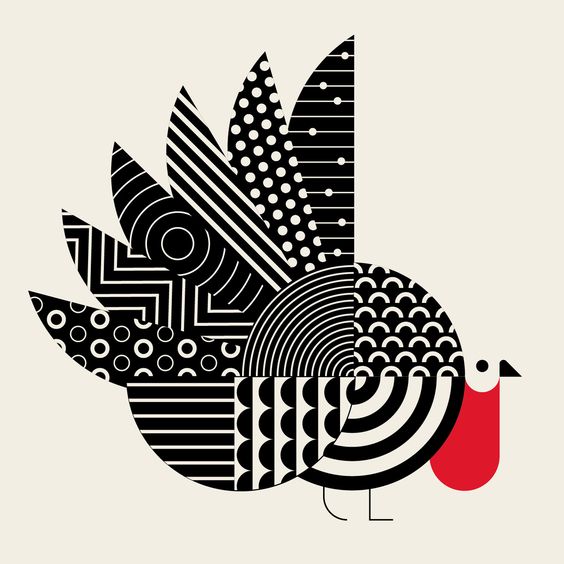
Shapes add visual interest to the subject, drawing attention to it, be it organic or geometric shapes. The attention it draws brings emphasis to a portion of the page that it fills.
Texture
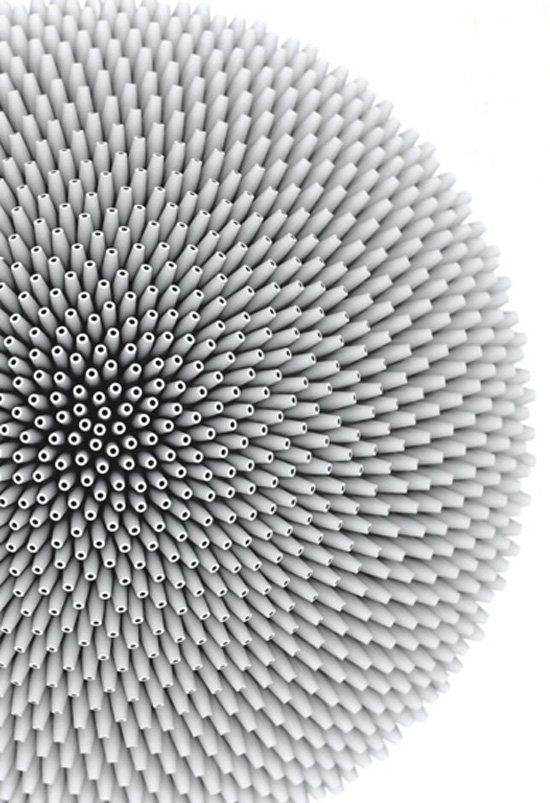
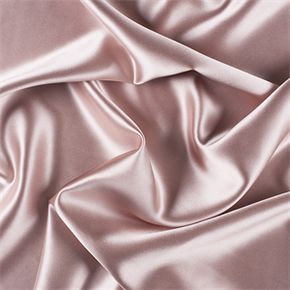
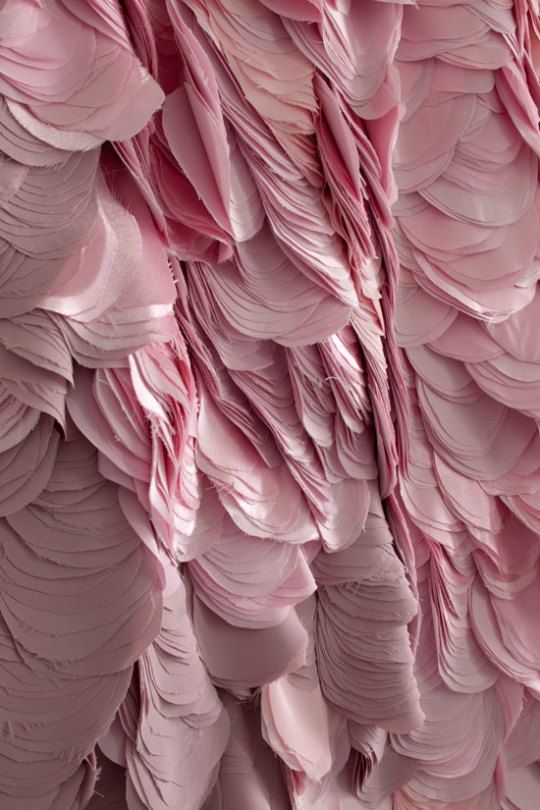
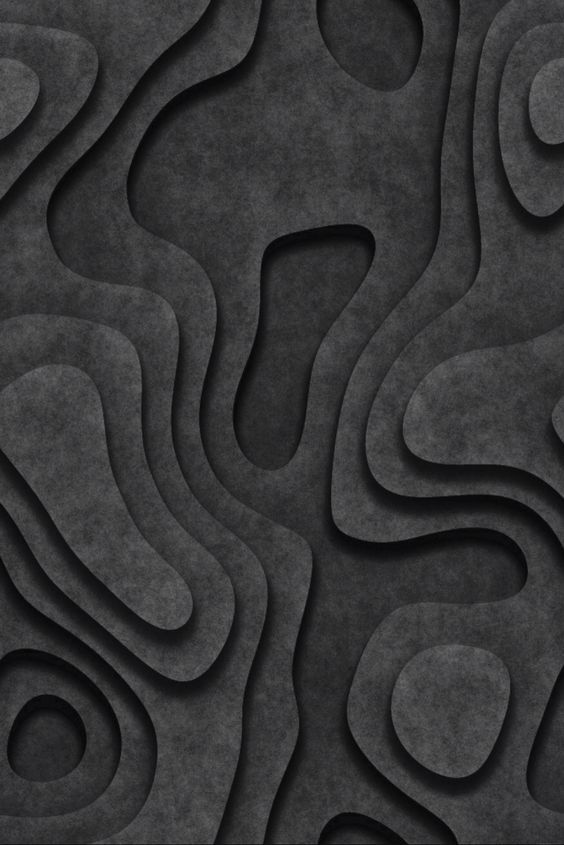
Textures can help create a three dimensional appearance on two dimensional surfaces. Different textures can give a luxurious, rough or smooth feel. Overall, it builds an immersive experience.
Typography
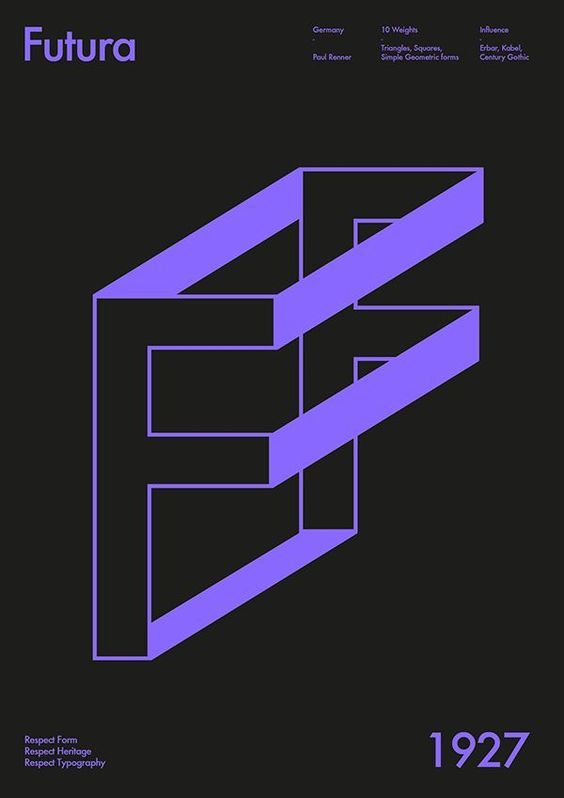
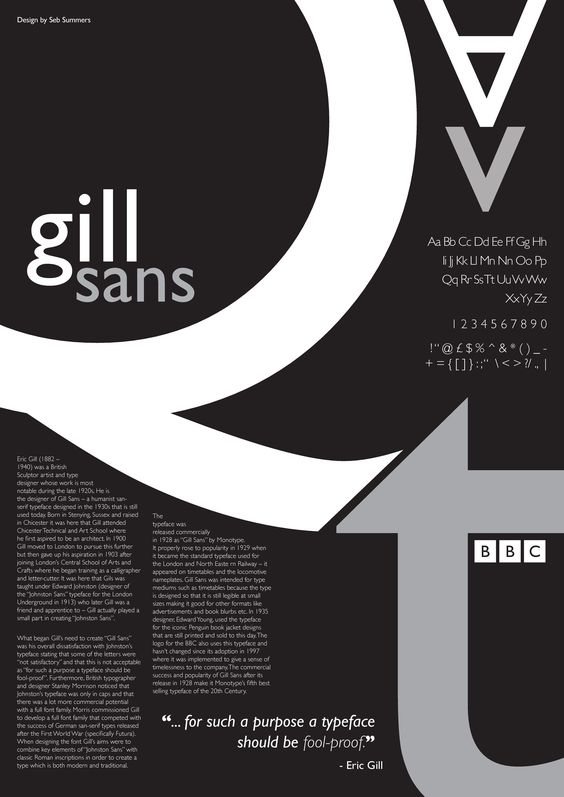
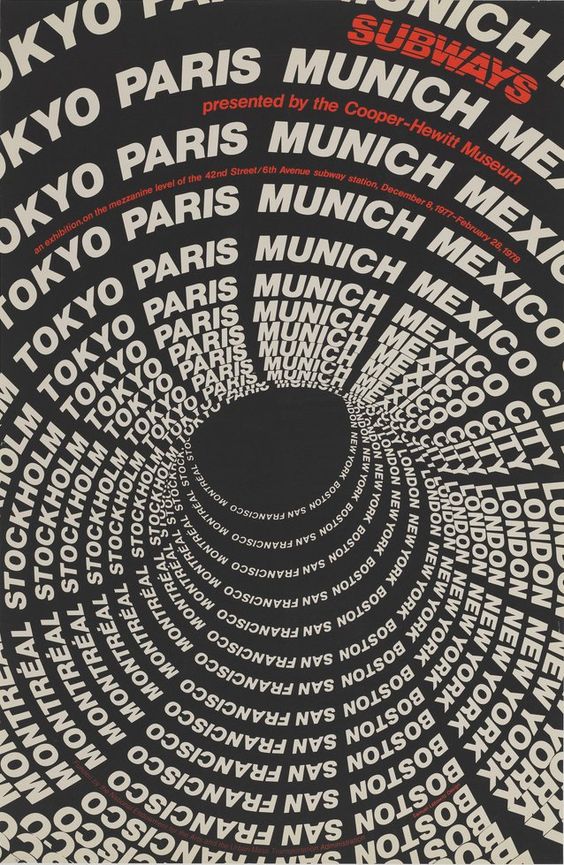
The fonts used can tell your reader what type/genre does your product want to be as well as who it wants to appeal to. A combination of fonts for different text sizes also helps to bring a smooth flow to the final work.
Scale
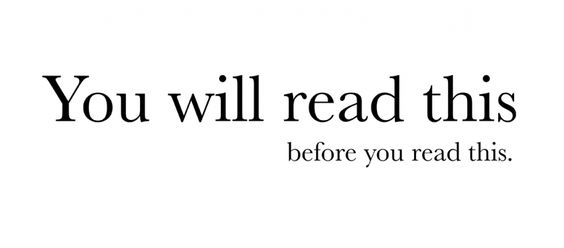
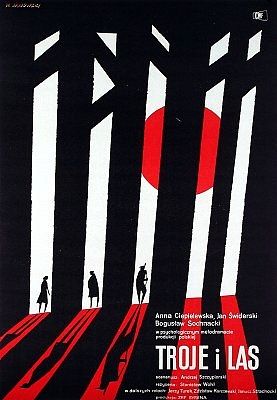
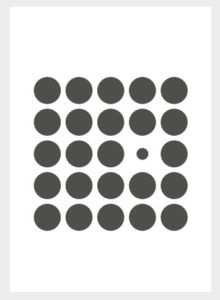
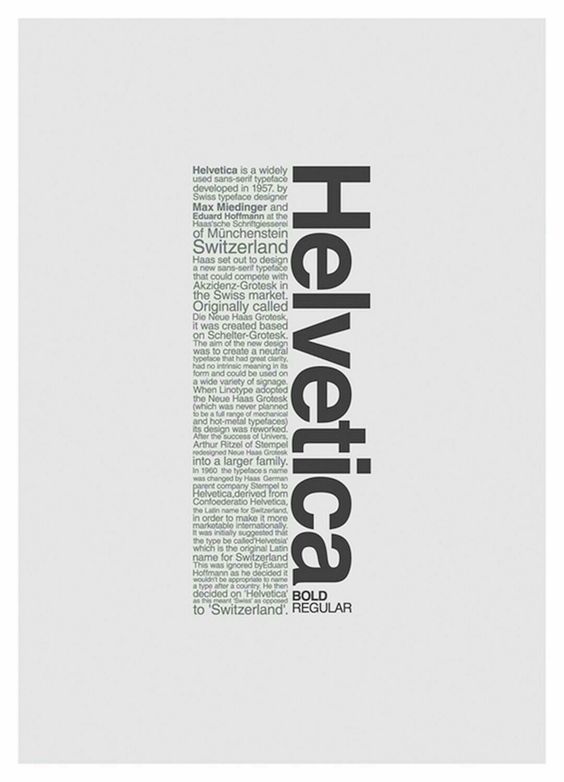
Scale of elements add visual interest and emphasis to design. Different uses for sclae suit each context differently. Subtle differences suit professional content while bold ones suit creative content better.
Harmony
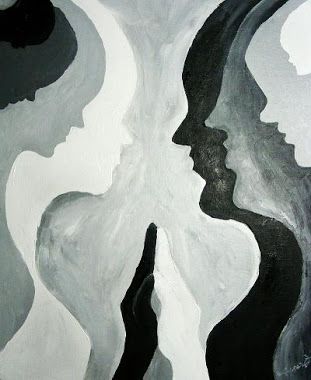
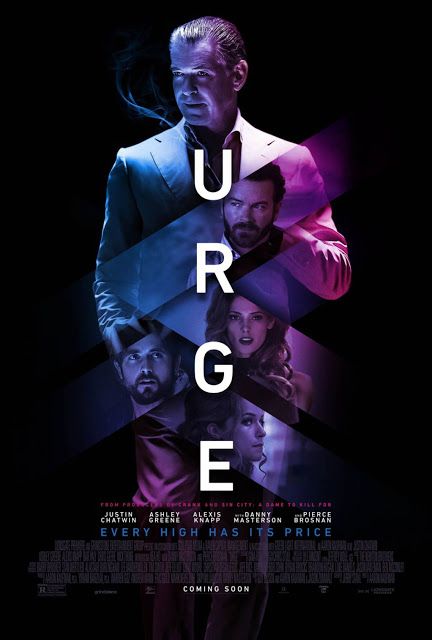
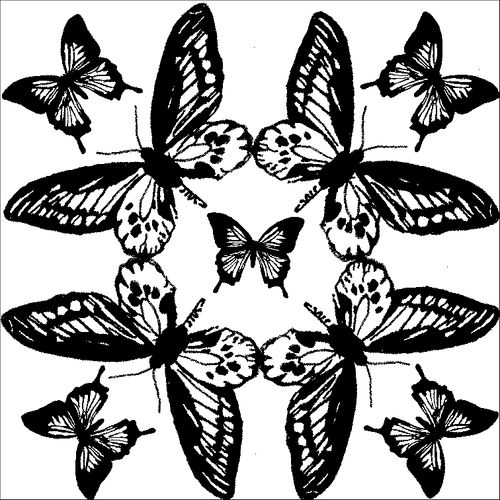
Having all these elements mixed well and flowing with the goal of graphic design. A subtle design yet its intention of message well received.
 Finance & Design
Leave a comment